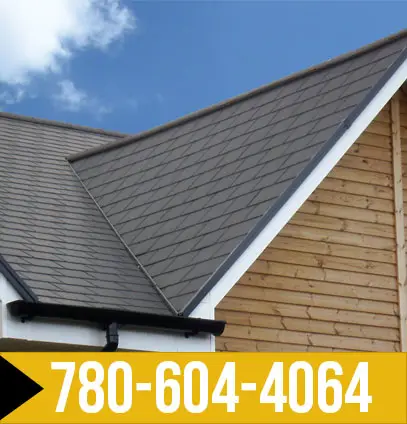
Your roof is an intricate system designed to protect your home from the elements, but are you familiar with fascia boards? What is fascia in roofing? – They play an essential part in keeping both healthy and attractive roofs. At A2Z Roofing, we are passionate about everything related to roofing- so here is a guide to fascia boards!
What Is a Fascia Board?
Imagine viewing your house from the street; when viewing from that angle, what you will notice as “fascia boards” are horizontal boards running along the edge of your roof that meet an exterior wall – think of them as their faces! Don’t confuse these with soffits which serve to increase air circulation underneath an overhang but do not reside below. Fascia boards face outwards and serve many important purposes!
The Mighty Multitasker: Fascia Board Functions
Fascia boards may seem inconsequential at first glance; however, they play an indispensable role.
Gutter Guardian
Your fascia board serves as the cornerstone for your gutter system, offering strong support that ensures gutters can channel rainwater away efficiently from your home. Without one, gutters could detach or become misaligned, leading to water damage around their foundation.
Provide Protection From Elements
Your fascia board serves as the first line of defence against rain, wind and any unwanted visitors such as birds and insects that might impact roof rafters and trusses exposed at their ends. By shielding these vital structural components from environmental elements like rain and wind, fascia boards help preserve roof integrity for years.
Curb Appeal Champion
Don’t overlook aesthetics! A well-kept fascia board adds the perfect finishing touch to any roofline and enhances its overall appearance – like adding an attractive frame around it for added style and definition!
Material Matters for Fascia Board Selection
Fascia can be made of the following materials:
Wood
Traditional houses have woody fascia. This facial gives a natural look. However, it requires proper, extensive maintenance to save it from rot.
Vinyl
It is an economical material. It requires less maintenance. It is fully resistant to fading.
Aluminum
It is a durable and long-lasting material for fascia. It also offers a high level of resistance.
Installation
Fascial installation requires proper professionalism. It is essential for effective water management. Any sign of damage to the Fascia requires immediate attention. se to factor in factors like budget, desired aesthetics and climate when making this selection.
Is Fascia the Same as Eave?
Fascia and eaves are similar yet distinct. The part of the roof beyond the exterior wall is known as the eave. This overhang allows the water to flow out of your house and gives room to air conditioning elements. That overhang has the underside known as the soffit, which is often vented to enable air in the attic. The fascia, which runs vertically at the intersection of the roof and wall, is located at the outer edge of the eave. It ties together the system, raises gutters, and covers the unprotected shorter ends of the rafters with moisture and weather damage.
Keeping Your Fascia Board in Top Shape
Regular inspections are key when maintaining fascia boards – look out for signs of damage such as:
- Rot or decay: Common in wooden fascia boards, this condition weakens them significantly and diminishes their functionality.
- Cracks or peeling: Cracked and peeling surfaces often result from age, weather exposure or poor installation practices – as can peeling.
- Loose or detached fascia boards: Any issue which leads to water damage should be immediately addressed to mitigate possible loss.
When these warning signs arise, don’t delay in seeking help from A2Z Roofing Contractor in Sherwood Park. Our highly skilled team can assess any damage and suggest the most efficient repair or replacement strategy available to you!
What are the 4 types of fascia?
The word fascia can have various meanings that depend on the context. In humans, four types of fascia have been broadly categorized as the superficial, deep, visceral, and parietal fascia. But in roofing, fascia can simply be used to denote the board fitted on the bottom edge of the roof line, often behind the gutter system. That way, even though the four fascia types can be used to refer to anatomy, a roofing fascia discussion needs to refer to those materials of fascia boards, which can be wood, vinyl, aluminum, and composite to ensure the reader is not confused.
Fascia Boards as Protectors for Your Roof
By understanding and taking steps to maintain fascia boards, you can help to ensure your roof continues functioning optimally and protecting your home. A healthy roof makes for happy homeowners! At A2Z Roofing, our goal is to help our clients accomplish just this; so reach out today with your roofing needs including fascia board inspection, soffit installation, repair or replacement!
 info@a2zroofing.ca
  9813 33 Ave NW, Edmonton, AB - T6N 1B6
  +1-780-604-4064