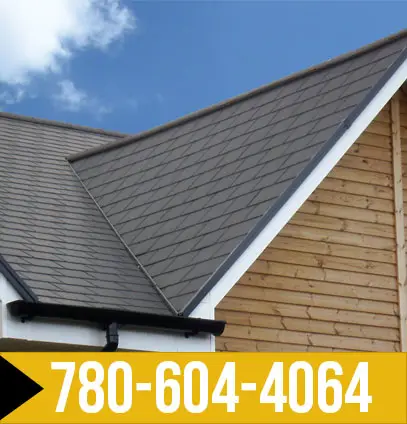
The replacement of half the roof may save you money upfront; however, it could result in costly leaks down the line. As per the National Roofing Contractors Association, 62% of roof replacements fail in five years because of insufficient blend. Can You Replace Only Part of a Roof?
This guide will explain how partial replacements are a good idea, their dangers, the cost when compared to complete replacements, and expert tips for making an informed choice!
The Short Answer
Yes, you can replace just one part of your roof; however, it’s not recommended for certain circumstances:
Allowed if:
Damage can be isolated (e.g., storm damage in one area).
Colors and brands that match can be found.
The roof is only 10 years old (older shingles don’t blend well).
Not recommended if:
There are several layers of shingle (codes usually limit two layers in total).
The decking is rotted and not detected.
The manufacturer of the shingle must require full replacement in order to keep a warranty.
5 Risks of Partial Roof Replacement
Risk
Consequence
Mismatched Shingles
The weave or color variations make for a messy patchwork appearance.
Warranty Void
80 percent of companies reject claims of partial replacements.
Hidden Damage
Undiscovered leaks or rot spreading underneath sections that are not damaged.
Structural Weakness
Seams between the old and new shingles are damaged in high winds.
Higher Long-Term Cost
The cost of paying twice if the remaining shingles fail early.
When Partial Replacement Makes Sense
Localized Storm Damage
Hail or wind damages the roof by less than 30 percent. Your roofing.
Example: A storm struck a slope while others remained in place.
Matching Materials Available
The same brand and color are still being produced.
Pro Tip: Buy additional bundles to repair future repairs to guarantee consistency.
Budget Constraints
It’s a temporary fix to save for a complete replacement, but only if your structure is in a good state.
Step-by-Step Partial Replacement Process
A professional roofer must follow these steps to ensure a successful partial replacement
Check adjacent areas: The shingles around them should be lifted to look for signs of decay or hidden damage.
Remove Damaged Section: Reduce damaged shingles back to the closest rafters.
Replace Decking: Replace the plywood in case the existing deck is damaged.
Blend New Shingles: Incorporate new shingles into existing rows to give them an elegant look.
Seal Transitions: Use water shields and ice at seams to avoid leaks.
Opt for a complete replacement when the situation is:
Shingles Discontinued: The ability to match isn’t possible If the original shingles are not made anymore.
Over 15 Years Old: As shingles age, they will break down soon, making any fixes ineffective.
Multiple Leaks: It indicates a systemic problem that needs an overhaul complete.
The Bottom Line
Can You Replace Only Part of a Roof? Partial replacement of your roof is a risk; This will only work on roofs with minimum damage. Complete roof replacement is a better idea when over 40 percent of your roof is damaged or needs repairs, or when the roofing shingles are ageing or getting damaged to provide better value and longer durability. Never hesitate to have a professional, e.g. A2ZRoofing assess your roofing status and to establish the conformity to the local code!
Recent Post
Flat Roof vs. Pitched Roof Maintenance in Edmonton Winters
What Edmonton’s Freeze-Thaw Cycles Actually Do to Your Roof
Sherwood Park vs. Edmonton Roofing Permits
Best Roof Insulation for Cold Climates
Best Roof Insulation for Hot Climates
Categories
Ready to a RefreshingHome Exteriors?
Our team delivers outstanding quality in roofing & home exterior projects.
 info@a2zroofing.ca
  9813 33 Ave NW, Edmonton, AB - T6N 1B6
  +1-780-604-4064