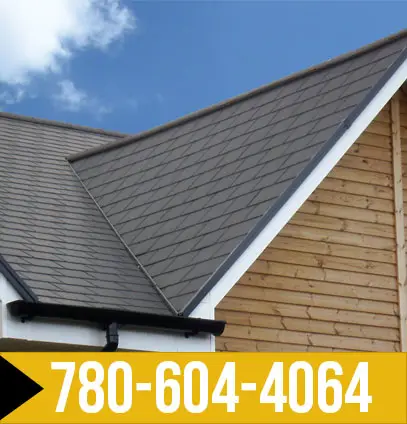
The Eaves may not be considered as a big architectural detail, but then again, the right design can transform your roof completely in terms of functionality as well as the appearance of your home.
Here, in this guide, you will learn the best Eave Roof designs, the effects of such designs on the durability and ventilation and how to select one that suits your home and climate.
What Are Eave Roof Designs?
Eave roof designs are concerned with the way edges of a roof run past the walls and the manner in which the extensions are organized, completed and ventilated.
These designs influence:
- Water drainage
- Roof lifespan
- Energy efficiency
- Overall curb appeal
Learning about the various Designs of Eave Roof assists you in making superior choices whether in the construction or remodelling.
Popular Eave Roof Design Types
1. Open Eaves (Exposed Style)
Open eaves leave rafters visible beneath the roof edge.
Best for:
- Traditional or rustic homes
- Dry climates
Pros:
- Visually appealing
- Easier inspection
Cons:
- Requires regular maintenance
- More exposure to pests and moisture
2. Closed Eaves (Soffit Covered)
Closed eaves are sealed underneath with soffits, creating a clean and modern look.
Best for:
- Most residential homes
- Areas with variable weather
They work seamlessly with fascias soffits and guttering systems, improving both function and appearance.
3. Boxed Eaves
Boxed eaves are fully enclosed and structured, offering a polished finish.
Benefits:
- Strong protection from weather
- Low maintenance
- Enhanced insulation
This design is often paired with professional Fascia Installation to ensure long-term durability.
4. Wide Overhang Eaves
These extend further out than standard eaves.
Ideal for:
- Hot climates
- Homes needing extra shading
Advantages:
- Better sun protection
- Reduced cooling costs
- Improved rain protection
5. Minimal or Flush Eaves
Minimal eaves have little to no overhang.
Used in:
- Modern or minimalist architecture
Trade-offs:
- Sleek design
- Less protection from rain and sun
How Eave Design Affects Roof Performance
Ventilation and Airflow
Good eave design allows air to circulate through the attic, preventing moisture buildup and heat accumulation.
Water Protection
Proper overhang ensures rainwater is directed away from walls and foundations, reducing long-term damage.
Structural Longevity
A well-designed roof and fascia system prevents rot, mold, and premature wear.
Cost and Practical Considerations
Eave design influences the installation and cost in the long run.
For example:
- Complex boxed eaves are more expensive in the short term.
- Small eaves can result in increased maintenance costs.
When budgeting, it would be good to do some research on similar issues, such as price, in order to have knowledge about the impact of design decisions on the total cost of the roof structure.
Read more: How do you measure the pitch of a roof?
Local Expertise Matters
The climate is a significant factor that determines the correct eave design. As an example, the designs that manage snow loads and freezing conditions are frequently among the priorities of homeowners considering Roofing Sherwood Park services.
By employing professionals with experience in this area like A2ZRoofing, you will not only get eaves that are aesthetically pleasing, they are also structurally worthy and fit the climate.
Final Thoughts
Eave roof design is not merely a matter of choice; it literally influences the effectiveness of your home in dealing with weather and air circulation and long-term weather survival.
Key takeaways:
- Choose eave designs based on climate, not just looks
- Prioritize ventilation and water management
- Balance upfront cost with long-term durability
- Work with experienced professionals for proper installation
An Eave design that is carefully taken does not merely finish your roof, it secures all the things under your roof.
Read more: Price to replace roof shingles
 info@a2zroofing.ca
  9813 33 Ave NW, Edmonton, AB - T6N 1B6
  +1-780-604-4064