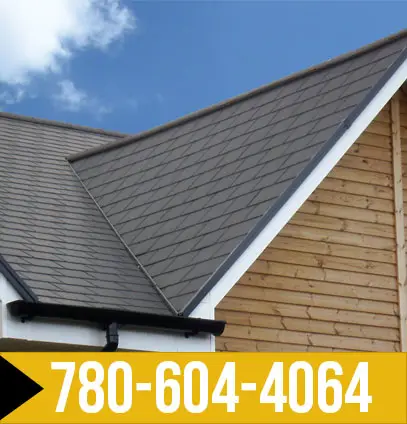
Roofing issues with Edmonton winters are usually noticed when it’s a warm period instead of when there is snowfall. When the snow begins to melt, you will find ice, weak seams, broken flashing, or blocked drains, and the ice will refreeze as soon as the temperature drops.
Flat Roof vs. Pitched Roof Maintenance in Edmonton Winters: Both roof types require maintenance in the winter season, but they fall apart in different ways. Drainage is essential for flat roofs, and for pitched roofs, some means of preventing the formation of ice at the eaves is essential. This wintertime roof maintenance checklist will help you know where to look and when to call the professionals to help.
Flat Roof vs. Pitched Roof Maintenance in Edmonton Winters: The Difference
Flat Roofs: Keep Water Moving
Most “flat” roofs are sloped on the surface to slope the water toward the drains or scuppers. The greatest problem they have in the winter is not just snow, it’s snow, ice, and the resulting melt water getting stuck in low spots.
The City of Edmonton cautions that backed up or improperly maintained drainage systems may lead to snow melt water pooling on low-slope roofing surfaces. Roof changes in elevation, parapets and roof top equipment also can produce unequal snow drifting and concentrated loads.
The tasks for flat roof maintenance should include:
- Clearing leaves and debris from drains before winter
- Checking drains and scuppers after freeze-thaw periods
- Watching for ponding water or unusually deep snow drifts
- Inspecting membrane seams, flashing, and rooftop penetrations
- Checking ceilings and upper walls for moisture marks
Ice may build up around a roof drain, blocking more melted water from draining. This captured water can break through the membrane or load the roofing structure.
Pitched Roofs: Control Ice at the Eaves
Pitched roofs allow less snow and water to adhere to surfaces and are susceptible to ice dams. These occur when the roof snow melts due to the heat loss into the attic. When the water heads toward the cooler eaves at the back of the roof, it freezes and creates a ridge that may leave a path open for water under the shingles later.
Maintenance priorities include:
- Clearing gutters and downspouts
- Checking shingles, valleys, vents, and flashing
- Looking for thick ice or repeated icicle formation at the eaves
- Inspecting attic insulation, air sealing, and ventilation
- Watching areas below chimneys, dormers, and roof intersections
The current Government of Canada guidelines for persistent ice dams suggest the attic is either under-insulated or poorly ventilated.
Check out our Roofing Sherwood Park services here!
Which Roof Needs More Winter Attention?
Generally, flat roofs need to be monitored for drainage and snow distribution more closely. Attic areas, eaves, valleys, and gutters require more attention on pitched roofs.
Both should not simply be removed by passing. Using sharp shovels may cause damage to the membrane or even damage shingles, and also pose a dangerous fall risk when one is on a roof surface during this type of icy conditions. To ensure safety, work from the ground unless otherwise recommended by the government, or get a professional to clear the roof and the eavestroughs.
Schedule a check if you observe or notice:
- New ceiling stains or dripping water
- Sagging or unusual roof movement
- Recurring ice around drains or eaves
- Ponding after a thaw
- Damaged flashing or missing shingles
Final Thoughts
Flat roof vs. pitched roof maintenance in Edmonton winters comes down to the way each system deals with the snow and meltwater. Care needs to be taken in the design of any flat roof to ensure that it drains correctly and that ponding and drifting are monitored. For a pitched roof, the primary features that must be present are the open eave, proper flashing, and a limited attic space to avoid high spots that cause unequal snowmelt.
Check the roof before winter and after heavy snow, ice, or sharp variations in temperature. Early Maintenance is the most useful form of maintenance, well before the next thaw, exposing some weakness on the inside of the building.
Read more: Best Roofing Materials for Edmonton’s Harsh Weather
 info@a2zroofing.ca
  9813 33 Ave NW, Edmonton, AB - T6N 1B6
  +1-780-604-4064