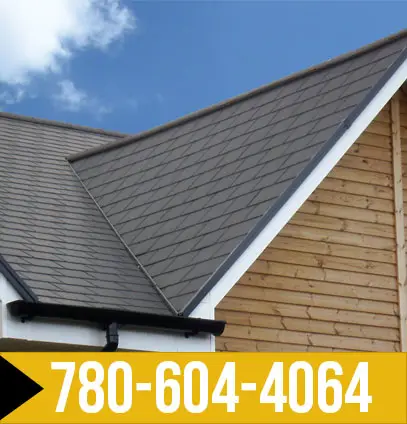
Homeowners frequently encounter the comparison of Class 4 shingles vs regular shingles when it comes to picking out roofing materials. Both can seem very similar; however, their performance and longevity can vary dramatically. The comparison of the two options can guide the household to make wise choices related to the protection of long-term roofs.
What Are Regular Shingles?
Standard asphalt shingles are very common in home construction. They are crafted with a fiberglass or organic base with asphalt on it, then covered with protection granules.
It is due to the fact that these shingles are cheap, simple to install, and come in a wide variety of forms. They are, however, typically made for normal weather conditions instead of extreme impacts.
Key Characteristics of Regular Shingles
- Standard asphalt composition
- Moderate durability
- Typically lasts 15–25 years, depending on conditions
- Vulnerable to cracking or granule loss during strong storms
Regular shingles are fine where there are mild weather conditions, but may not serve well when there is a severe storm or hail.
Get professional roofing solutions from A2Z Roofing Edmonton!
What Are Class 4 Shingles?
Class 4 shingles are said to be the best in terms of impact resistance. The code designation of Class 4 is based on standards of laboratory tests that quantify the resistance to hail damage by roofing materials.
These shingles are designed to take the impact of reinforced material that does not crack or split.
Features of Class 4 Shingles
- Reinforced asphalt or polymer construction
- Higher resistance to hail and debris impact
- Increased flexibility to prevent cracking
- Often longer lifespan than standard shingles
Class 4 Shingles vs Regular Shingles: Major Differences
1. Impact Resistance
The greatest distinction is in durability. Class 4 Shingles are also made to resist hail and fallen debris. Normal shingles, on the other hand, may shatter or lose the granules if they are struck with hard hits.
2. Lifespan
Although the two kinds of roofs can serve for up to several years when maintained properly, Class 4 shingles usually have a longer lifespan because they have robust construction.
3. Weather Performance
Class 4 shingles are superior to work during extreme climatic conditions such as storms with hail or high winds.
4. Potential Insurance Benefits
Insurers can also give low premiums to homes with impact-resistant roof covers in certain areas. Some organizations that set standards of testing are taken into account by most insurers when assessing roofing materials.
Looking for reliable Roofers in Edmonton? Contact us today!
Which Roofing Option Makes More Sense?
The decision between the two lies on climate conditions, cost and long term maintenance objectives. Normal shingles can be effective when it comes to normal climates, whereas Class 4 roofing offers additional defense in the storm-ridden regions.
This knowledge aids the homeowners to choose their roofing materials according to their requirements based on the advantages and shortcomings of each type.
Looking for Roofing St Albert services? Get exactly what you and your roof need here!
Final Thoughts
Comparing Class 4 shingles vs regular shingles shows the significance of the durability and the weather resistance of the roofing materials. Although conventional shingles are affordable and reliable, Class 4 shingles have more protection against impact and extreme weather.
Homeowners who are researching on roofing products can find it easy to find materials that will offer performance and have a long-term life by knowing these variations.
Read more: roof shingles cost
 info@a2zroofing.ca
  9813 33 Ave NW, Edmonton, AB - T6N 1B6
  +1-780-604-4064