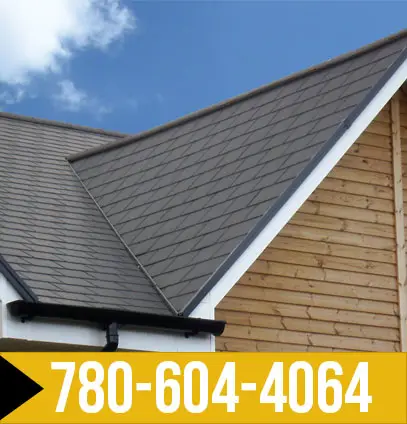
Roof damage is not visible due to limited access. For long, the roof remains unnoticed, and the damage aggravates. Here are some common types of concealed roof damage:
1. Shingle Damage
In a Roofing installation, the outer covering is damaged over time. Cracked shingles also remain unnoticed from the ground. Shingles curl due to weather impacts. Cracked and curled shingles can only be identified by close inspection.
2. Flashing Problems
Flashing keeps water from getting into the roof. Sometimes this flashing develops cracks or gets damaged. Flashing deterioration allows water infiltration. So, a leak develops due to the poor state of the flashing.
3. Water Pooling
Water pooling is a common phenomenon on flat surfaces. Water stands on the roof. This stagnant water finds holes and little ways to seep through. Ultimately, stagnant water causes leakage to the roof.
4. Moss and Algae Growth
Moss and algae grow on the roof. These plant-like species absorb water or humidity for growth. They remain attached to the roof surface. Their presence on the roof surface causes shingle and roof surface decay. The presence of mold and algae is not noticeable from the ground. Before these damaging growths become noticeable, a lot of damage would have been done.
5. Punctures and Tears
Punctures and tears are small breaks that appear on the surface for various reasons, even in the gable roof. Sometimes, debris that remains on the roof unattended for a long time can cause these small fissures. Sometimes, weathering elements play their role. Sometimes, the fall of adjacent tree branches plays its part. Whatever the cause, the point is that punctures and tears appear on the roof’s surface. Giving a fine treatment right at the moment is the best strategy to avoid greater loss or damage to the roof. For this, the only solution is regular roof inspections. This is the only way to unearth the issues and help in catching punctures and tears.
6. Ice Dams
Ice dams are seen in colder climates. The reason ice dams form on roofs is excessive snow melt. Snow forms blocking the eaves of the roof. This blockage hinders ice from falling. Melted snow traps on the roof in this way. Standing melted snow in the form of ice dams damages shingles on the roof.
7. Structural Damage
The roof is relatively high above the ground. The deck area is far away from the access inside the home. The area has a wooden framework. Wood in this framework gets rotten. Rotting wood is invisible from the standing point. The primary cause of wooden structure damage is constant exposure to dampness or water vapor. Fascia installation also undergoes structural damage.
8. Inadequate Ventilation
Ventilation is the breathing chamber of the house. Poor ventilation means insufficient fresh air in the house. The scarcity of fresh air is due to poor airflow. This causes water vapor to stand suspended in the air inside the roof. This dampness deteriorates the roof’s structure from the inside out. As this portion is away from the ground, it remains unnoticed and causes severe damage.
Preventive Measures
Here are some measures that help in extending the life of the roof.
Regular Inspections
Regular inspections are the best way to identify any damage or issues with the roof. Generally, two or more inspections are sufficient to find any damage.
Clear Debris
Proper roof surface cleanliness extends the roof’s life and prevents damage. Debris accumulation is the cause of damage.
Watch for Signs
Many signs are preliminary for roof damage. Keeping an eye on water damage, ceiling, walls, and attic region wood can save you a lot.
Conclusion
Hidden Roof Damage You Can’t See From the Ground – Hidden roof damage is unseenable from the ground. For unearthing these damages, a proper inspection of the roof is necessary. A2Z Roofing is the leading roofing installation company. We provide inspection services at competitive pricing.
 info@a2zroofing.ca
  9813 33 Ave NW, Edmonton, AB - T6N 1B6
  +1-780-604-4064