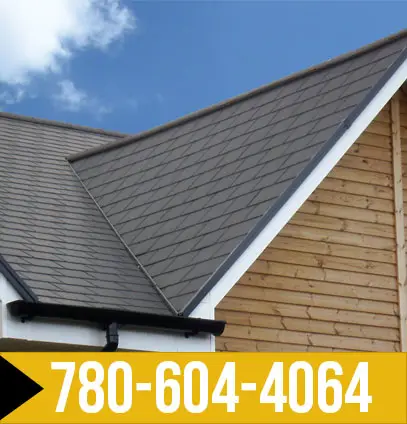
One of the major choices in considering a roof replacement or construction is the roof form: hip roof or gable roof. While both are popular, they have very different durability, cost, and weather resistance capabilities. The gable roof is less complex and less expensive, and the hip roof is more resistant to wind loads and more stable but is 35–40% more expensive.
Choosing the right product will depend on the climate you live in, the budget, and the amount of attic space required. Here’s the Hip Roof vs Gable Roof: Pros, Cons, and Costs to help you decide what looks best with your home and weather.
If you are in Sherwood Park and looking for professional installation services, look no further than Roofing Sherwood Park expert guidance services.
What’s the Difference?
Hip Roof
All four sides slope inward toward the peak
Self-bracing design (no diagonal bracing needed)
Aerodynamic shape reduces wind uplift
Gable Roof
Two sloping sides form a triangular peak
Simple, traditional design
Requires diagonal bracing for stability
Hip Roof: Pros and Cons
Advantages
Benefit
Why It Matters
Superior wind resistance
Aerodynamic shape allows wind to flow smoothly; ideal for coastal/high-wind areas
Self-bracing stability
Inward slope on all four sides creates inherent structural stability
Better drainage
All sides slope down; gutters can be fitted on all four sides
Reduced water/snow pooling
Sloping faces prevent water or snow from sitting
Durable in severe weather
Best for areas with high winds, hurricanes, heavy snow
Disadvantages
Limitation
Impact
Higher cost
35–40% more expensive than gable roofs
Complex construction
More materials, more labor-intensive rafter/truss work
Less attic space
Inward slope reduces usable roof space compared to gable
Harder to ventilate
More complex ventilation requirements
Leak risk at seams
Ridge seams can leak if not constructed correctly
Gable Roof: Pros and Cons
Advantages
Benefit
Why It Matters
Lower cost
$6–$9 per sq ft (hip: $8–$12)
Simple design
Easy to build, less labor-intensive
More attic space
Triangular peak allows for dormers or loft conversion
Better ventilation
Gable end can have windows for natural light
Easy to add extensions
Elegant additions are relatively easier than hip roofs
Disadvantages
Limitation
Impact
Poor wind resistance
Flat triangular ends catch wind; can cause damage in high-wind areas
Requires bracing
Needs diagonal bracing for structural stability
Snow/water pooling risk
Flat ends can trap snow or water if pitch is too low
Less stable
Not inherently self-bracing like hip roofs
Cost Comparison (2026)
Roof Type
Cost Per Sq Ft
Total Cost (1,500 sq ft)
Gable Roof
$6–$9
$9,000–$13,500
Hip Roof
$8–$12
$20,000–$60,000
Cost Difference
35–40% higher
Hip costs ~15–20% more same size
Which Roof Should You Choose?
Choose Hip Roof If:
You live in high-wind, hurricane, or coastal areas
Heavy snow or mixed precipitation (rain/ice/snow) is common
Budget allows 35–40% premium over gable
You prioritize durability over attic space
Choose Gable Roof If:
You’re budget-conscious ($6–$9 per sq ft)
You need more attic space or plan loft conversion
Your area has moderate wind (not coastal/high-wind)
You want easier ventilation and natural light
Final Thoughts
The hip roof vs gable roof: pros, cons, and costs comparison determine that their performance may differ depending on conditions. Hip roofs are good for wind resistance, durability, and drainage, but are 35-40% more expensive and have less attic space. Gable roofs offer cost-effectiveness, increased headroom, and better ventilation; however, they do not withstand high winds well.
 info@a2zroofing.ca
  9813 33 Ave NW, Edmonton, AB - T6N 1B6
  +1-780-604-4064