What are energy-efficient roofing options? Energy-efficient roofing options aim to reduce utility bills while enhancing home comfort. If we technically explain the term’ energy-efficient,’ it means using a material in roof construction that helps manage or control a home’s internal heat. A material is considered suitable for energy-efficient roofing if it shows insulating properties for heat. Here are some energy-efficient roofing options that significantly reduce energy bills without compromising indoor comfort. In fact, they enhance comfort.
1. Cool Roofing Systems
Warmer climates experience significant temperature increases. Cool roofing systems are science-based designs that keep a building’s interior temperature lower than the outside temperature. For this, a scientific approach is adopted. This approach calls for less heat absorption by the roofing material. For this purpose, the outer layer of the roofing material or the roof is reflective. Whatever the material used—for example, shingles, tiles, membrane, or coatings—everything is perfectly reflective. These reflective shingles or tiles keep solar light reflecting. Light does not absorb in the material when reflected by the material’s surface. This reflection is due to the material’s ability to reflect light from its outer surface. This material may be used for Fascia installation. As a material’s reflectance decreases, it becomes warmer in response to solar light. Conversely, it stays cool when lit and continues to reflect light.
2. Metal Roofing
Metals are good conductors of heat. But when metals reflect heat, they are less likely to absorb heat. Instead, they throw away light in the form of reflection. For this reflection, they are coated with a reflecting material. Buildings with reflective metal roofs show cooler interiors than the warmer outside. Further, a metal roof’s average lifespan is 50 years. It is common for a gable roof and a hip roof. A half-century of usage and lower energy bills in the warm months make metal roofing an ideal choice. Another critical aspect of metal roofing is its recyclability. After 50 years, the metal is melted again to form a new article. On average, metal roofs do not incur high repair and maintenance costs either.
3. Tile Roofing
Old buildings with tile and clay roofing are cool on warm days. The reason behind this cooling effect is the clay tiles’ insulating ability. They do not permit the heat in or out. Another characteristic of these tiles is showing high thermal mass. A body with a higher thermal mass usually absorbs more heat but does not transfer it to the interior. Instead, it releases the same heat when the outer temperature is down. e.g., at night. When these tiles perform their heat-absorbing and emitting functions effectively, the dependence on the heating or cooling system declines. A coating is applied to the tile’s surface. It enhances the efficiency of the tile roof.
4. Slate Roofing
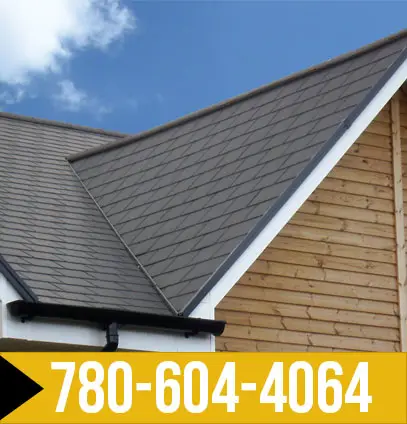
Slate also offers thermal stability. Slates are made of stone material. If these slate chunks are installed skillfully, they help keep the home’s interior temperature comfortable. In this way, it is also an energy-efficient roofing material. But it is a costly choice for a homeowner.
5. Green (Vegetative) Roofing
Green plants give a cooling effect. This idea is extended to home roofs. Green vegetation absorbs heat and forms oxygen and carbohydrates. The area beneath this vegetation remains cool and protected from the heat. This vegetation, on the one hand, improves air quality by emitting oxygen, and, on the other hand, reduces the area’s temperature. Without considering green roofing models, a DIY may miss essential factors. This skipping leads to roof damage. Therefore, it is better to hire relevant professionals rather than turn your roof green yourself.
6. Solar Roofing
Solar roofing is the modern form of roofing. A roof has several solar panels or plates. These solar roofs produce electricity on one hand and please the eyes on the other. Thus, these roofs are energy-efficient. This is a perfect example of aesthetic appeal with energy-efficient roofing.
7. Insulated Roofing Systems
An insulated roof also poses a good score on the energy efficiency chart. In this type of roofing, insulation material — either a rigid board or synthetic foam insulation panels — is incorporated into the roofing installation. They control the heat and prevent it from coming in through the roof. Further, these insulation boards or panels do not let the cool air out. In total, the house’s temperature remains lower than the outside environment.
Conclusion
What are energy-efficient roofing options? Energy-efficient roofing is the wise choice. It saves energy and provides comfort. Energy-saving measures reduce utility bills. It may be termed as a double jubilee in one go. A2Z Roofing is a central point for all skilled laborers and engineers. We provide quality services that save your capital and time simultaneously.
 info@a2zroofing.ca
  9813 33 Ave NW, Edmonton, AB - T6N 1B6
  +1-780-604-4064