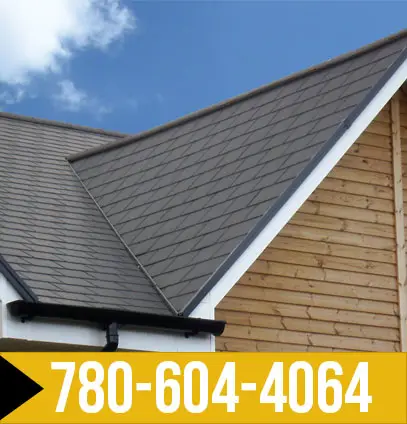
A hailstorm can last for minutes, but its effects can not be seen from the ground. It is possible to have a perfectly intact roof, yet have shingles, flashing, vents, or another element have been harmed by impacts, thereby decreasing the service life of that roof or letting water in.
When there’s a possibility of hail damage to roofs, what comes after is important. With the proper measures, you can avoid further damage, also have all these issues documented in the right ways, and make the right decisions about repair.
Start With a Safe Visual Inspection
After the storm, inspect the property from a safe location when all hazards have passed. Do not climb on the roof, particularly when it is wet, loose, or damaged.
Look for:
- Missing, cracked, or displaced shingles
- Dents in gutters, downspouts, vents, or flashing
- Excessive shingle granules near downspouts
- Fresh impact marks or exposed roofing material
- Water stains or moisture inside the attic or ceilings
The degree of hail damage is quite variable and depends on the type of roofing material. Bigger impacts may result in cracking or revealing of granules on asphalt shingles or splitting of wood shingles.
Check out the Roofing Sherwood Park services here!
Document Everything Before Repairs
Get clear photos and videos of any visible damage, such as flooding or peeling paint on the roof from ground level, damage to siding, windows, and any interior damage, including any leaks.
Documentation is helpful because an insurance adjuster or roofing professional may have to differentiate between storm damage and the natural deterioration or aging of the roof. Existing post-storm guidance also advises documenting damage early before removing storm debris or making any permanent fixings.
Stop Active Water Damage
If water is coming into the house, take temporary, sensible measures to minimize additional damage but do not risk injury. This can involve relocating belongings, gathering dripping water, or setting up an emergency roof shield, amongst other tasks.
Temporary protection is critical because the roofing is compromised and exposed to further rainfall.
Arrange a Professional Roof Inspection
Not all problems with a roof’s appearance necessitates replacing the roof. Your roofing expert will be able to review and evaluate your shingles, flashing, roof penetrations and roof condition in general to decide if they can make a repair or if they need more extensive repairs to your roofing system.
Contact Your Insurer Promptly
If you think your home or business has been damaged by the storm, check your policy and call your insurance company. Filing requirements, deductibles, deadlines, and coverage depend on the policy, so don’t make assumptions for reimbursement.
After major storms, use caution with contractors whom you did not ask for. Check the qualifications, insurance, review history, and license status before entering a contract.
Final Thoughts
Following hail damage to roofs, prioritize safety, documentation, prevention of further water entry, and inspection. Damage that doesn’t look severe can be significant, and cosmetic roof damage need not be grounds for replacement.
A systematic approach allows you to clearly understand the state of your roof, which helps you take action on repairs and coverage.
Read more: Best Roofing Materials for Edmonton’s Harsh Weather
 info@a2zroofing.ca
  9813 33 Ave NW, Edmonton, AB - T6N 1B6
  +1-780-604-4064