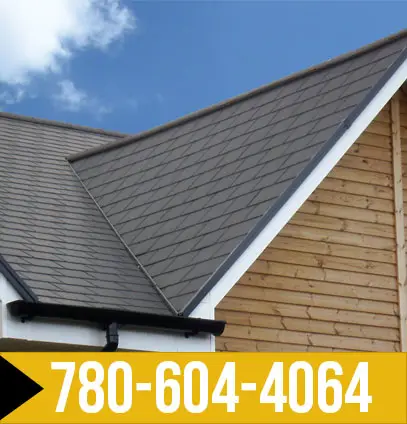
A leaky roof may transform a dream house into a nightmare to the homeowners, but you do not always need a complete rebuilding to put a stop to the drip. When done accurately the proper repairs can extend the lifetime of your roof by two to five years. The most important ingredient in using a harness on steep roofs is safety to avoid falling. How do you fix a leaking roof without replacing it?
This guideline instructs homeowners, DIYers, and property managers on how to fix a leak in their homes securely and efficiently without spending a fortune. It also provides the criteria for referring to an expert.
Find the Leak Source
Finding your leak will be the very first step towards the successful repair.
- Indoors:
Water stains can be traced on walls and ceilings up towards the roof. However, water can move in a different direction, and the source might not be directly above the stain.
- Outdoors:
Examine common areas of concern:
- The shingles may be damaged or gone due to wear or wind.
- The leaking gutters can accumulate water under the shingles.
- The vent pipe boots are worn and let water seep into.
- Ice dams are common in cold climates.
Temporary Emergency Fixes
To prevent leaks as soon as they occur, take these preventative solutions until permanent repairs are feasible:
Tarp Cover
- Cover a large tarp with a heavy-duty material over the leaky area.
- Secure with sandbags or 2x4s. Avoid nailing through the shingles to avoid creating holes.
Roofing Cement
- Spread a thick coat of roofing cement on cracks or holes and flashing gaps.
- Spread it out using a putty knife to make an impermeable seal.
Permanent Repairs for Common Leak Types
After identifying the cause, once the cause is identified, you can apply these specific solutions to ensure lasting outcomes:
1. Damaged Shingles
- Use a pry bar to lift off the surrounding shingles around them.
- Remove the shingle that is damaged and replace it with a new one.
- Seal edges with roofing cement to prevent lifting caused by the wind.
2. Leaking Flashing
- Chimneys/Vents:
- Get rid of old caulk or damaged flashing using a knife.
- Install new flashings and seal seams using butyl roofing cement or tape.
3. Vent Pipe Boots
- Put the new boot made of rubber over the pipe.
- Seal the bottom with roof cement to make a waterproof joint.
Read more: Can roof leaks be repaired?
4. Small Holes or Cracks
- Cleanse the area using the help of a wire brush.
- Install roofing repair tape or use elastomeric sealant to make the most flexible and durable seal.
5. Ice Dams
- Make use of a roof rake to take snow off the eaves.
- Install heating cables along the eaves to avoid ice buildup.
6. Clogged Gutters
- Clean up debris using an incline and gloves.
- Install gutter guards to avoid any future blockages.
Which chemical is used for roof leakage?
While there are several waterproofing chemicals to prevent roof leaks, the best one will depend on the type of roof, crack size and exposure to the elements. The most successful measures are the coating with polyurethane (PU), SBR (Styrene-Butadiene Rubber) and cementitious waterproofing coatings. The popular choice of PU coatings is the ability to form flexible, rubber like membrane which cements cracks and is resistant to temperature fluctuations. SBR chemicals are frequently added to the cement to enhance adhesion, flexibility and water resistance on concrete roofs. Whereas cementitious coatings provide a permanent waterproofing surface and can be applied to flat concrete, they are mostly utilized on slab concrete surfaces.
Other options are for liquid bitumen membranes to waterproof heavy-duty structures and for transparent sealants to cover tile roofs where appearance is important. Chemical coatings do not stop minor to moderate leaks very well, unless the structure below the roof is in good condition. Finally, it is crucial to have a professional inspection, as any waterproofing that is not the most detailed can be insufficient if moisture is trapped, decking is damaged or severe cracks exist.
The Bottom Line
How do you fix a leaking roof without replacing it? Temporary patches will prevent leakages, but they are not permanent. Roofs more than 15 years old or having numerous problems cannot be avoided from going through repairs. Certain repairs, like roof maintenance done by shingle replacement or fixing flashing on a roof with local damage, might take your time. Ensure you are protected with a harness and see if asbestos is present in old houses. If in doubt, seek an inspection by a professional; A2ZRoofing provides no-cost estimates!
 info@a2zroofing.ca
  9813 33 Ave NW, Edmonton, AB - T6N 1B6
  +1-780-604-4064